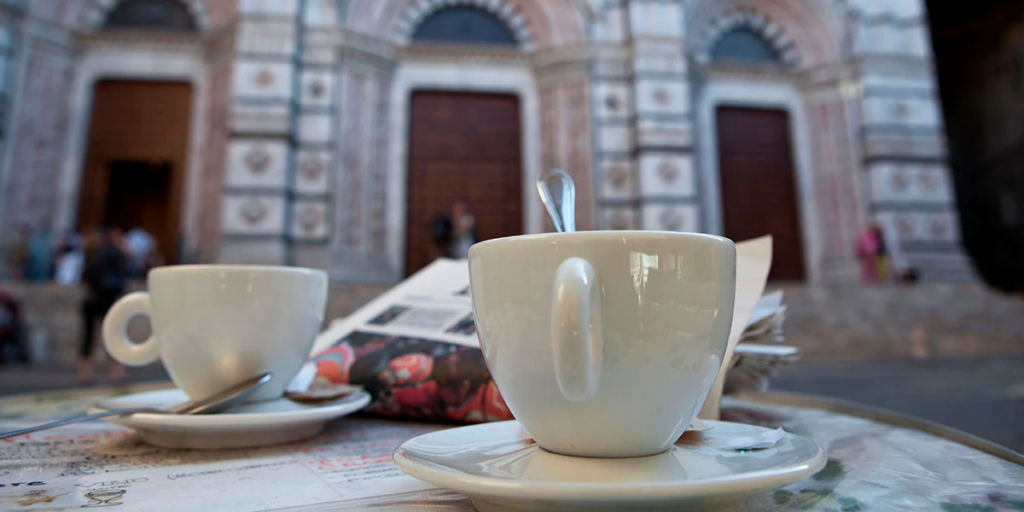
Coffee sits at the center of my daily routine, but it also shapes how I dress, where I work, how I socialize, and even how I see myself. It stopped being just a beverage a long time ago. Coffee evolved into something that signals taste, values, identity, and belonging, all without saying a word.
This shift did not happen overnight. Coffee slowly moved from kitchens and diners into curated spaces, carefully designed packaging, and online communities. Watching this transformation has made me realize how deeply coffee has woven itself into modern lifestyle culture.
Coffee Before the Lifestyle Era
Coffee once existed mainly as fuel. People drank it at home, at work, or in diners without much thought beyond staying awake. Branding focused on convenience, affordability, and familiarity rather than experience.
Back then, coffee rarely said anything about personal identity. The cup was functional, and the ritual ended when the caffeine kicked in. That simplicity laid the groundwork for something bigger to emerge later.
The Rise of Coffee Shops as Social Spaces
Independent coffee shops changed everything. These spaces offered more than drinks by creating environments where people could linger, talk, work, or sit quietly with their thoughts. Coffee became an excuse to slow down instead of speeding up.
I noticed how furniture, lighting, music, and even wall art played a role in shaping mood. Coffee shops began selling atmosphere as much as coffee. That shift transformed coffee from a product into an experience.
Design and Aesthetic Took Center Stage
Minimalist logos, earthy color palettes, and carefully chosen fonts turned coffee packaging into visual storytelling. Bags of beans started to look like lifestyle accessories rather than groceries. Even takeaway cups became part of personal style.
Design made coffee feel intentional. Every visual element communicated values like craftsmanship, simplicity, or creativity. Coffee brands learned that appearance could speak as loudly as flavor.
Coffee and Identity
Carrying a specific coffee cup started to signal taste and values. It hinted at whether someone prioritized sustainability, craftsmanship, or trend awareness. Coffee quietly became a badge of identity.
I began noticing how people aligned themselves with certain cafes or brewing methods. These choices reflected personality in subtle ways. Coffee turned into a form of self-expression without needing explanation.
The Influence of Specialty Coffee
Specialty coffee reshaped how people talked about quality and origin. Farmers, regions, processing methods, and roast profiles entered everyday conversations. Coffee gained a narrative.
That storytelling mattered. It connected drinkers to growers and roasters, making coffee feel meaningful rather than disposable. Specialty coffee gave brands depth, which is essential for any lifestyle identity.
Coffee and the Creative Class
Coffee shops became gathering places for writers, designers, freelancers, and entrepreneurs. Laptops and notebooks became as common as mugs. Coffee linked itself to creativity and independence.
I saw how cafes marketed this energy without saying it directly. Coffee became associated with productivity, ideas, and ambition. That connection elevated coffee from habit to aspiration.
Social Media Changed Everything
Social media accelerated coffee’s transformation into a lifestyle brand. Photos of latte art, cozy interiors, and carefully styled cups spread across feeds. Coffee became visually shareable.
I watched coffee shift from something consumed privately to something displayed publicly. Brands leaned into this by designing spaces and products meant to be photographed. Coffee turned into content.
Coffee Became a Daily Ritual Worth Celebrating
Ritual gave coffee emotional weight. Morning routines, brewing methods, and quiet moments built personal meaning around each cup. Coffee started representing comfort and consistency.
Brands leaned into ritual by highlighting slow processes and intentional moments. Coffee felt grounding in an increasingly fast world. That emotional connection strengthened its place as a lifestyle symbol.
Coffee and Sustainability Messaging
Ethical sourcing and environmental awareness added another layer to coffee branding. Sustainability became part of identity rather than a background detail. Coffee choices started reflecting personal values.
I noticed how brands told these stories carefully. Certifications, farm partnerships, and transparency became marketing tools. Coffee offered a way to participate in positive change through everyday actions.
Fashion and Coffee Collided
Coffee crossed into fashion through merchandise, collaborations, and style cues. Tote bags, hoodies, and reusable cups turned cafes into fashion labels. Coffee brands began dressing their audience.
This crossover reinforced coffee as culture rather than commodity. Wearing a coffee brand became normal. Coffee now lived in closets as much as kitchens.
Coffee at Home Became Curated
Home brewing transformed into a hobby. Equipment became beautiful, intentional, and proudly displayed. Coffee corners started appearing in kitchens and living spaces.
I saw how brands marketed home brewing as a lifestyle upgrade. Coffee tools felt like design objects rather than appliances. Brewing coffee at home became part of personal aesthetic.
Coffee Language Became Cultural Currency
Talking about coffee evolved. Words like origin, roast level, and extraction entered casual conversation. Knowledge itself became part of the lifestyle.
Knowing how to talk about coffee signaled interest and engagement. Coffee literacy added depth to the brand experience. It rewarded curiosity and participation.
Coffee and Wellness Culture
Coffee aligned itself with balance and mindfulness rather than excess. Messaging shifted toward quality over quantity. Coffee positioned itself as a thoughtful indulgence.
I noticed how brands emphasized moderation and intention. Coffee fit neatly into wellness routines without losing its edge. This balance made it compatible with modern lifestyles.
Coffee as a Third Place
Coffee shops filled the gap between home and work. They became neutral spaces for connection and solitude. This role strengthened coffee’s cultural importance.
The idea of a third place turned coffee into infrastructure for daily life. Brands that understood this became anchors in communities. Coffee gained permanence beyond trends.
Global Influence with Local Identity
Coffee brands blended global awareness with local roots. They spoke to universal values while celebrating specific neighborhoods or regions. That balance created authenticity.
I saw how local stories added texture to global coffee culture. Coffee felt both familiar and personal. That duality made it adaptable as a lifestyle brand.
Coffee Subscriptions and Membership Culture
Subscriptions turned coffee into an ongoing relationship. Monthly deliveries created anticipation and routine. Coffee became part of long-term identity rather than occasional purchase.
This model reinforced loyalty. Coffee brands positioned themselves as companions rather than sellers. Lifestyle brands thrive on continuity, and coffee embraced that fully.
Coffee as a Symbol of Taste
Taste extended beyond flavor into lifestyle choices. Coffee became shorthand for discernment and intentional living. The way someone drank coffee hinted at broader preferences.
I noticed how coffee aligned itself with music, design, travel, and food culture. It blended seamlessly into other interests. Coffee felt like part of a larger worldview.
The Emotional Side of Coffee Branding
Emotion drives lifestyle brands, and coffee mastered this. Nostalgia, comfort, ambition, and calm all found space in coffee marketing. Coffee spoke to feelings rather than functions.
That emotional storytelling made coffee memorable. It created attachment instead of habit. Coffee earned its place as something people cared about deeply.
Coffee and Community Building
Events, tastings, workshops, and pop-ups turned coffee into shared experience. Communities formed around cafes and brands. Coffee connected people beyond transactions.
I saw how this sense of belonging strengthened loyalty. Coffee brands became social hubs. Lifestyle brands succeed when they bring people together, and coffee did exactly that.
Coffee as a Reflection of Modern Life
Coffee mirrors modern values like flexibility, creativity, and intentional living. It adapts to fast mornings and slow afternoons. Coffee fits into every rhythm of life.
This adaptability keeps coffee relevant. It evolves without losing its core. Coffee remains familiar while constantly reinventing itself.
Final Thoughts
Coffee became a lifestyle brand by embedding itself into how people live, work, and express identity. Through design, storytelling, community, and ritual, it moved far beyond its role as a drink. Coffee learned to speak the language of culture.
What keeps coffee powerful is its ability to feel personal while remaining universal. Every cup carries both individual meaning and shared experience. Coffee did not abandon its roots to become a lifestyle brand; it expanded them, one ritual at a time.