Coffee drinkers throw around the words Arabica and Robusta all the time, but those labels rarely get the careful attention they deserve. I’ve spent years tasting, brewing, roasting, and talking coffee with farmers, baristas, and everyday drinkers, and I’ve learned that the difference between these two beans goes far beyond flavor alone. They tell two very different stories about geography, farming, chemistry, and culture. Those stories show up in your cup whether you notice them or not.
Arabica and Robusta dominate the global coffee market, yet they couldn’t be more different in personality. One is often praised for nuance and elegance, while the other is known for power and resilience. I want to break down what truly separates them, not in marketing terms, but in real, practical ways that matter when you drink coffee every day. This comparison isn’t about declaring a winner, because both beans have earned their place.
Origins and Botanical Differences
Arabica coffee, scientifically known as Coffea arabica, traces its roots to the highlands of Ethiopia. It thrives at higher altitudes, usually between 1,000 and 2,000 meters above sea level. Those elevations create cooler temperatures and slower bean development, which plays a major role in flavor complexity. Arabica plants are delicate, sensitive to pests, and demanding in terms of climate and care.
Robusta, or Coffea canephora, originated in central and western Africa. It grows at much lower altitudes and tolerates hotter climates with greater humidity. The plant itself is tougher, more resistant to disease, and capable of producing higher yields per tree. That natural hardiness is where Robusta gets its name, and it’s a defining factor in how it’s farmed worldwide.
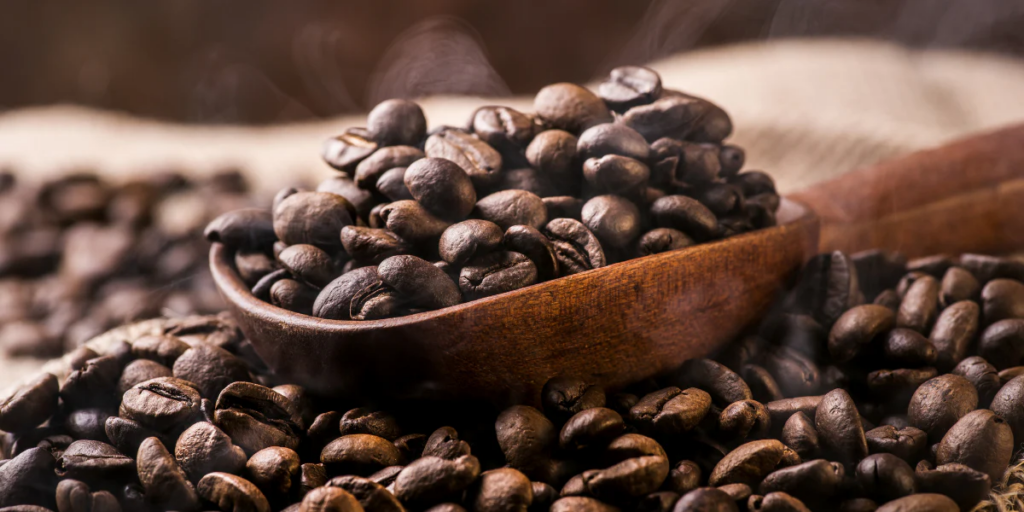
The beans themselves also look different before roasting. Arabica beans are oval with a curved center crease, while Robusta beans tend to be rounder with a straighter line. These physical differences hint at deeper chemical distinctions that shape taste, aroma, and mouthfeel.
Growing Conditions and Farming Realities
Arabica’s preference for high altitudes limits where it can be grown successfully. Countries like Colombia, Ethiopia, Kenya, and parts of Central America have ideal conditions, but even within those regions, microclimates matter. Farmers often deal with unpredictable weather, fungal diseases, and pests that can wipe out entire harvests. Producing Arabica requires careful attention and often more manual labor.
Robusta thrives in places where Arabica struggles. Vietnam, Brazil, Uganda, and Indonesia are major Robusta producers because the plant tolerates heat, rain, and pests far better. Yields are generally higher, and farming costs tend to be lower. From a farmer’s perspective, Robusta can offer more predictable income, especially in regions with challenging conditions.
These growing realities affect pricing and availability. Arabica usually commands higher prices due to lower yields and higher production risks. Robusta’s resilience makes it more affordable and widely used in mass-market coffee products.
Flavor Profiles in the Cup
Flavor is where most conversations about Arabica vs Robusta begin, and for good reason. Arabica is celebrated for its complexity, often presenting notes of fruit, flowers, sugar, and acidity. Depending on origin and roast level, I’ve tasted Arabica coffees that remind me of berries, citrus, chocolate, or even tea. That layered profile is what specialty coffee culture is built around.
Robusta delivers a very different experience. The flavor tends to be bolder, earthier, and more bitter. I often pick up notes of wood, rubber, grain, or dark chocolate, with far less acidity than Arabica. For some drinkers, that intensity feels harsh, while others find it satisfying and grounding.
Neither profile is inherently better. Arabica invites slow sipping and exploration, while Robusta delivers impact and strength. The difference becomes especially clear in espresso, where Robusta contributes heavy body and persistent crema.
Caffeine Content and Chemical Makeup
One of the most important distinctions lies in caffeine levels. Robusta contains nearly twice as much caffeine as Arabica. That caffeine acts as a natural insect repellent, which partly explains Robusta’s resistance to pests. In the cup, higher caffeine contributes to bitterness and a stronger physiological effect.
Arabica, with lower caffeine content, allows other compounds like sugars and acids to shine through more clearly. This balance supports sweeter and more aromatic flavors. Robusta’s chemical makeup includes more chlorogenic acids, which can taste harsh if not handled carefully during roasting.
For people sensitive to caffeine, this difference matters. A cup of Robusta-heavy coffee can feel noticeably stronger, even if it tastes similar in strength. That’s one reason Robusta is often used in energy-focused blends and instant coffee.
Aroma and Sensory Experience
Aroma plays a huge role in how coffee is perceived, and Arabica excels here. Freshly ground Arabica beans release complex scents that range from floral to fruity to nutty. I often find myself pausing just to smell the grounds before brewing, because so much of the experience starts there.
Robusta’s aroma is more restrained and heavier. It leans toward earthy, woody, or smoky notes rather than bright or floral ones. While that might sound less appealing on paper, it works well in certain contexts, especially when paired with milk or sugar.
In blended coffees, these aromatic differences can complement each other. Arabica brings fragrance and nuance, while Robusta adds depth and persistence.
Roasting and How It Changes Each Bean
Roasting highlights the natural traits of both beans, but it affects them differently. Arabica responds well to lighter and medium roasts, where acidity and origin characteristics remain intact. Dark roasting can mute those subtleties, though it can also introduce chocolatey or caramelized notes when done skillfully.
Robusta often benefits from darker roasts, which help tame bitterness and bring out heavier body. Light-roasted Robusta can taste aggressive and unbalanced, but darker profiles can make it smoother and more approachable. Skilled roasters can coax surprisingly pleasant flavors from high-quality Robusta.
The challenge with both beans lies in precision. Poor roasting will flatten Arabica’s complexity and exaggerate Robusta’s harshness. Careful roasting allows each to express its strengths.
Role in Espresso and Blends
Espresso culture has played a major role in shaping perceptions of Arabica vs Robusta. Traditional Italian espresso blends often include a percentage of Robusta. That addition boosts crema, body, and caffeine while keeping costs manageable. I’ve had many espressos where a small amount of Robusta added structure without overpowering flavor.
Modern specialty cafés often favor 100 percent Arabica espresso, focusing on clarity and sweetness. These shots can be bright and expressive, sometimes surprising drinkers who expect espresso to be bitter and heavy. Both approaches have merit depending on taste preferences.
Blending allows roasters to balance strengths and weaknesses. Arabica brings complexity, while Robusta contributes power. The final result depends on proportions, quality, and roasting skill.
Economic and Ethical Considerations
Arabica’s higher market value often translates to better income potential for farmers, but that’s not guaranteed. Price volatility, climate change, and disease threaten Arabica production worldwide. Farmers investing in Arabica take on significant risk, especially smallholders with limited resources.
Robusta’s stability makes it an important crop for many regions. It provides livelihoods where Arabica simply isn’t viable. However, Robusta has historically been undervalued, leading to less investment in quality improvement and farmer support.
Recently, interest in fine Robusta has grown. Improved farming and processing methods are proving that Robusta doesn’t have to mean low quality. This shift could create more balanced opportunities across the coffee world.
Processing Methods and Their Impact
Processing plays a major role in shaping flavor, regardless of species. Arabica is commonly washed, which emphasizes acidity and clarity. Natural and honey processes can add sweetness and fruitiness, sometimes blurring the typical flavor expectations.
Robusta is often processed using simpler methods, which can reinforce earthy and bitter notes. However, experimental processing is changing that narrative. I’ve tasted Robusta processed with care that showed unexpected sweetness and complexity.
These developments suggest that species alone doesn’t determine quality. Farming practices, processing choices, and attention to detail matter just as much.
Perception, Marketing, and Misconceptions
Arabica has long enjoyed a premium image, while Robusta has been dismissed as inferior. Marketing has reinforced this divide, often oversimplifying the conversation. That perception ignores the fact that poor-quality Arabica exists just as much as excellent Robusta does.
Instant coffee and cheap blends gave Robusta a bad reputation, but those products reflect economic decisions rather than inherent flaws. High-quality Robusta challenges long-held assumptions and forces a more nuanced discussion.
Judging coffee solely by species misses the bigger picture. Origin, freshness, roast, and preparation all shape the final experience.
Brewing Methods and Bean Choice
Different brewing methods highlight different traits. Pour-over and filter methods tend to favor Arabica’s acidity and aroma. These techniques allow subtle flavors to shine, making them ideal for exploring origin characteristics.
Robusta performs well in methods that emphasize strength and body. Espresso, moka pot, and certain cold brews benefit from Robusta’s density and caffeine content. In milk-based drinks, Robusta can hold its own where lighter Arabica might get lost.
Matching bean to brew method enhances enjoyment. Neither bean is universal, but both have ideal uses.
Final Thoughts
Arabica vs Robusta isn’t a battle with a clear winner. It’s a comparison between two coffee species shaped by different environments, challenges, and traditions. Arabica offers elegance, complexity, and aromatic depth, while Robusta delivers strength, resilience, and intensity.
I’ve learned that appreciating coffee means letting go of rigid hierarchies. Some days call for a bright, nuanced Arabica, while others demand the bold kick of Robusta. The real difference shows up not just in flavor, but in how each bean fits into the broader coffee story.
The next time you sip your coffee, knowing which bean is in your cup adds another layer of enjoyment. That awareness turns a daily habit into a more meaningful experience, and for me, that’s what coffee is all about.